A Companion to The Allana Series
The Allana Family Conversation Guide
How to Start the Conversations That Shape a Family's Future
Some of the most important conversations about money, family, responsibility, aging, inheritance, purpose, and legacy are also some of the hardest to begin.
The Allana Family Conversation Guide gives families a practical structure for starting those conversations with greater curiosity, clarity, respect, and understanding.
You don’t need to have every answer. You just need a better way to begin.
Get the Free Guide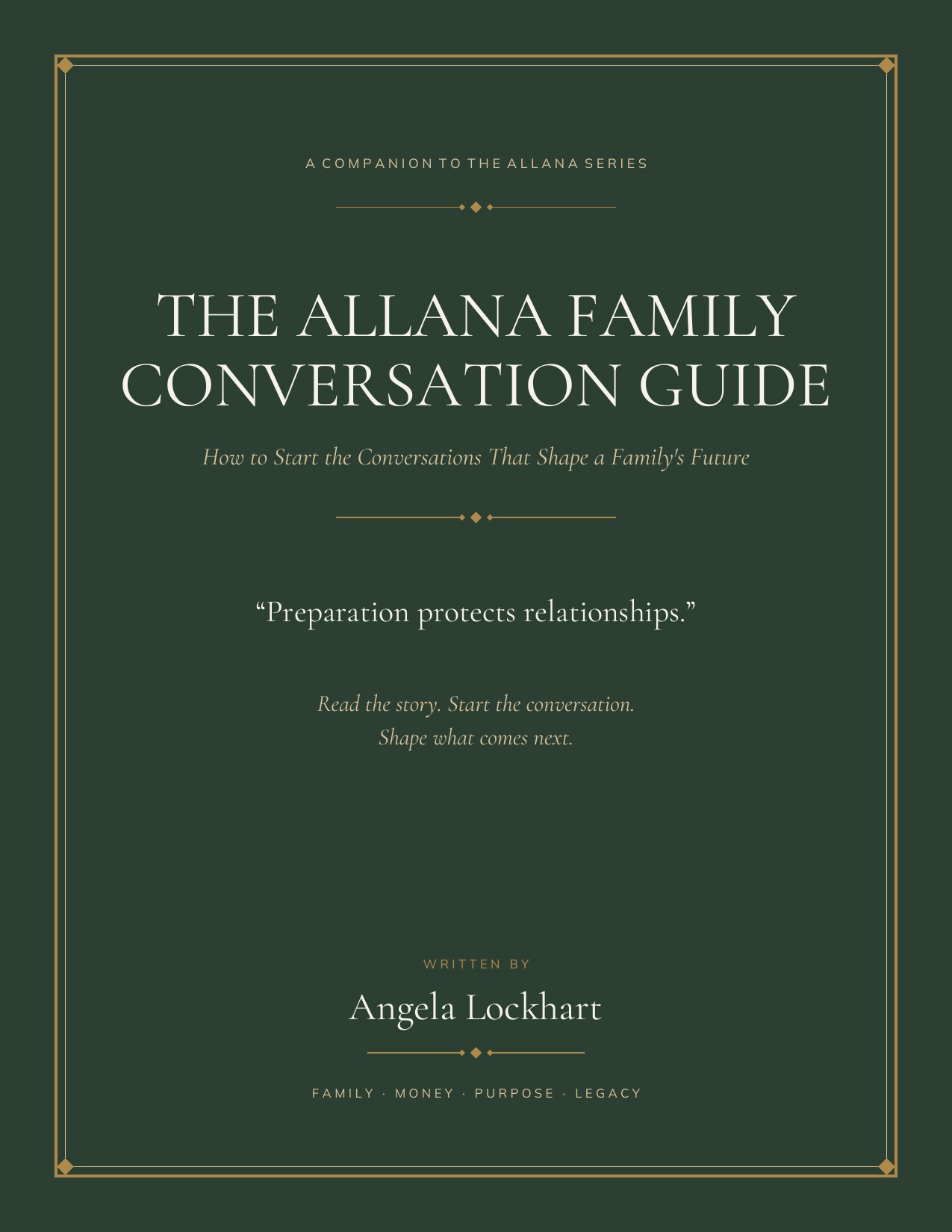
Read the story. Start the conversation. Shape what comes next.
What’s inside the guide
A Better Way to Begin
The CLEAR Concept
Five anchors for approaching family conversations.
C
Context
Set the setting, the timing, and the reason for the conversation before the first question.
L
Language
Choose words that invite participation instead of putting someone on the defensive.
E
Explore
Stay curious longer than feels comfortable. Questions open more than statements do.
A
Acknowledge
Name what you hear, including the feelings underneath it, before responding to it.
R
Redirect
Bring the conversation back to its purpose when it drifts, stalls, or heats up.
Six Family Conversation Personalities
Helping readers recognize behaviors that can appear during difficult conversations.
The Avoider
Changes the subject, delays, or finds a reason the timing is never quite right.
The Reactor
Responds quickly and emotionally before the whole picture has been shared.
The Deflector
Turns the question back toward someone else in the room.
The Silent Observer
Listens closely, says little, and often has the most to add if invited.
The Controller
Moves toward decisions and conclusions before everyone has been heard.
The Historian
Returns to past events that still shape how today's conversation feels.
These are conversation behaviors—not permanent labels.
The method
The ALLANA Conversation Method
- AApproach With Care
- LListen Before Leading
- LLead With Questions
- AAllow Space
- NNavigate Emotion Without Losing Direction
- AAim for Understanding, Not Agreement
You don’t have to agree to understand.
And understanding is often where better family decisions begin.
Five conversations families often avoid
What Will Your Family Talk About?
Money
How does our family think about money?
Responsibility
Who would handle what if our family needed help?
Aging & Care
What would you want as you get older?
Inheritance & Stewardship
What do we want the next generation to understand about what they receive?
Legacy
What do we want to pass forward besides money?
The best time for some conversations is before you need them.
The Family Peace Rule
Before You Begin, Ask Yourself…
01
Am I trying to connect or control?
02
Am I trying to understand or prove something?
03
Am I speaking from wisdom or fear?
What does this conversation need from me right now?
- Speak
- Listen
- Ask
- Clarify
- Apologize
- Pause
- Come back to it later
From Allana’s family to yours
Bring the Allana Journey Home
Allana’s story spans 50 years. At every stage, the questions change. So do the responsibilities. So does the meaning of legacy.
Now take the conversation from Allana’s family to yours.
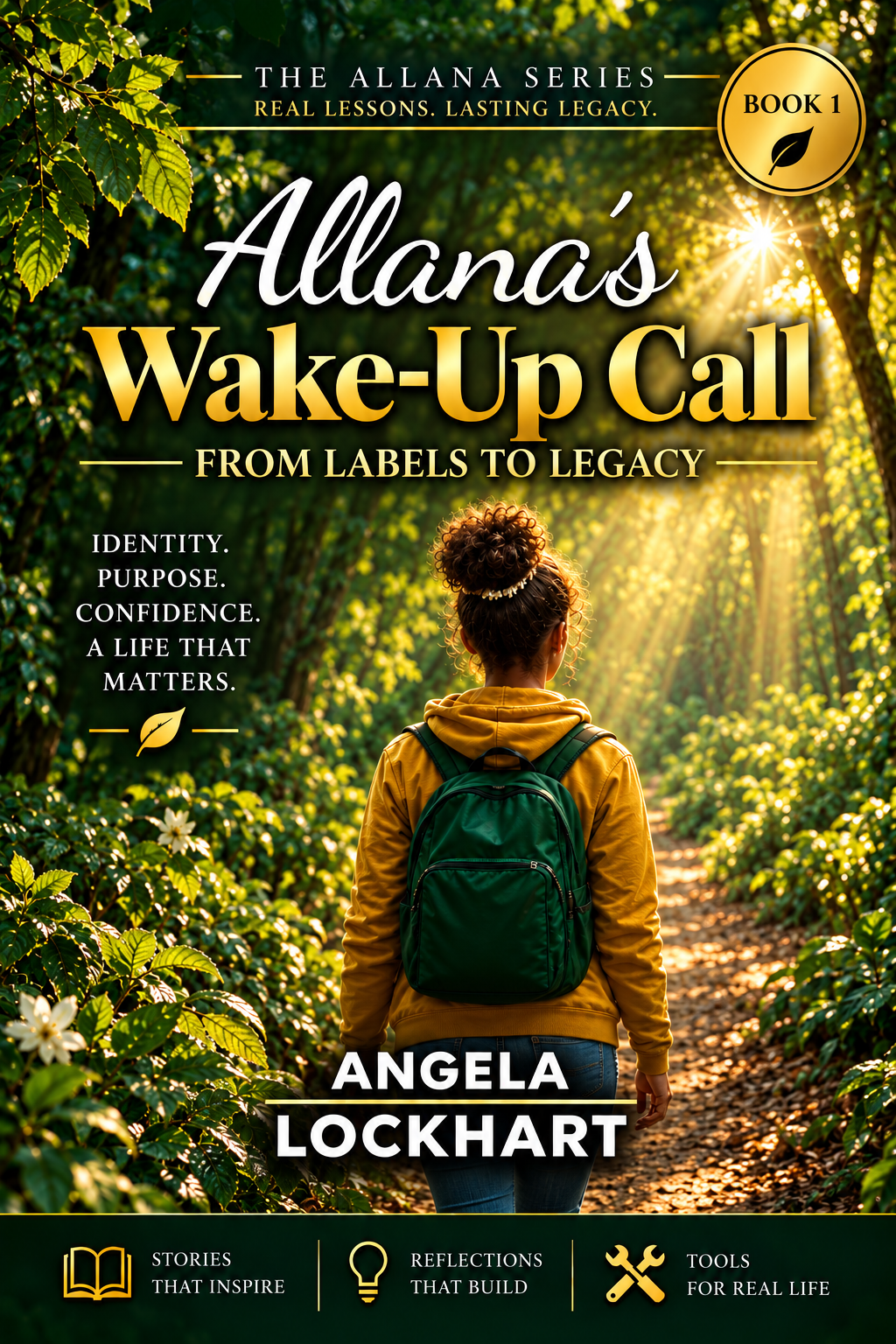
15
Age
Allana's Wake Up Call
From Labels to Legacy
Conversation areas
- Identity
- Money beliefs
- Influence
- Choices
- Dreams
- Possibility
What do we want the young people in our family to believe is possible for their lives?
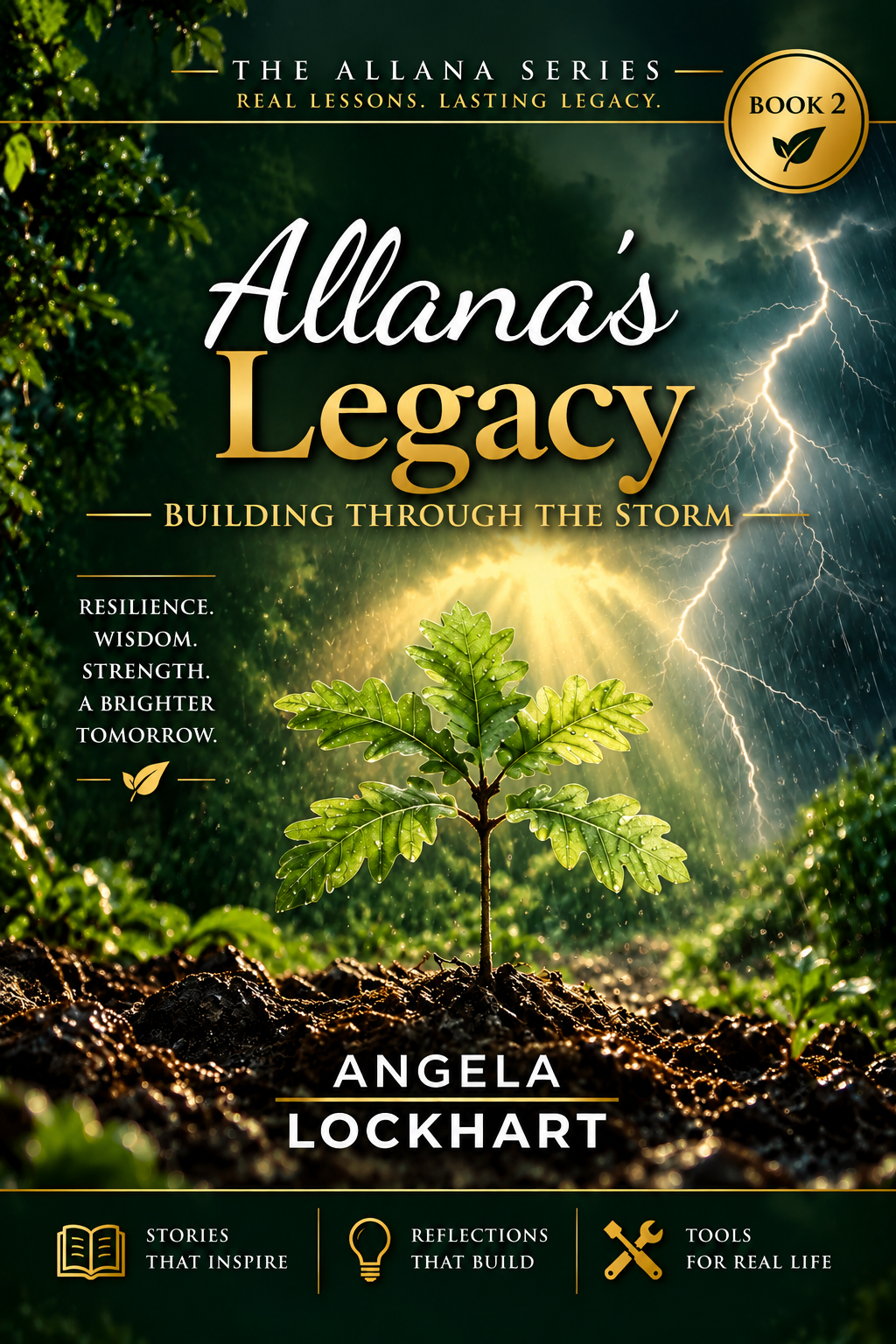
25
Age
Allana's Legacy
Building Through the Storm
Conversation areas
- Independence
- Early financial decisions
- Resilience
- Responsibility
- Building
What decisions in our twenties had consequences we couldn't see at the time?
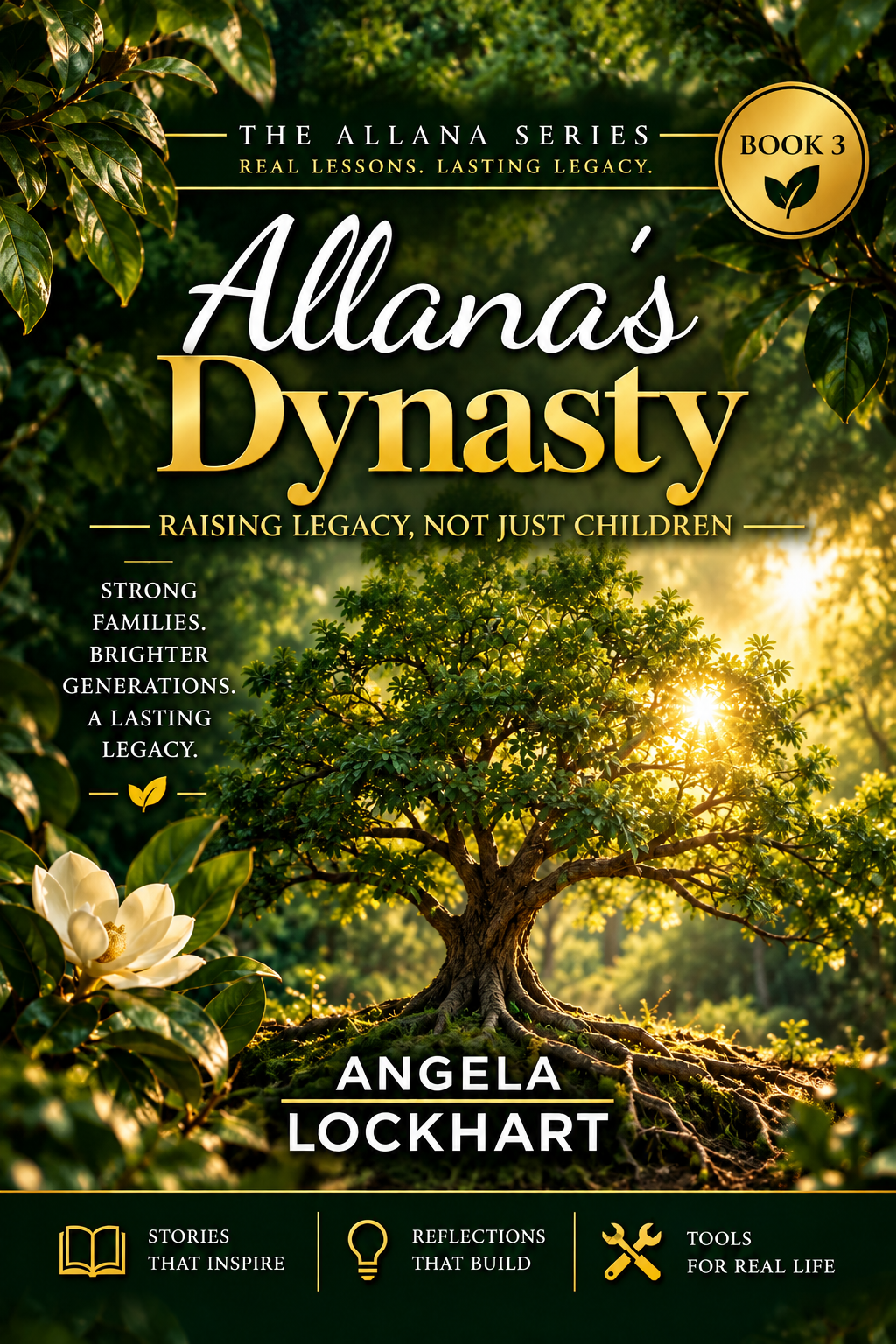
35
Age
Allana's Dynasty
Raising Legacy, Not Just Children
Conversation areas
- Parenting
- Teaching
- Family values
- Example
- Generational responsibility
What are our children learning from what we do, not just what we tell them?
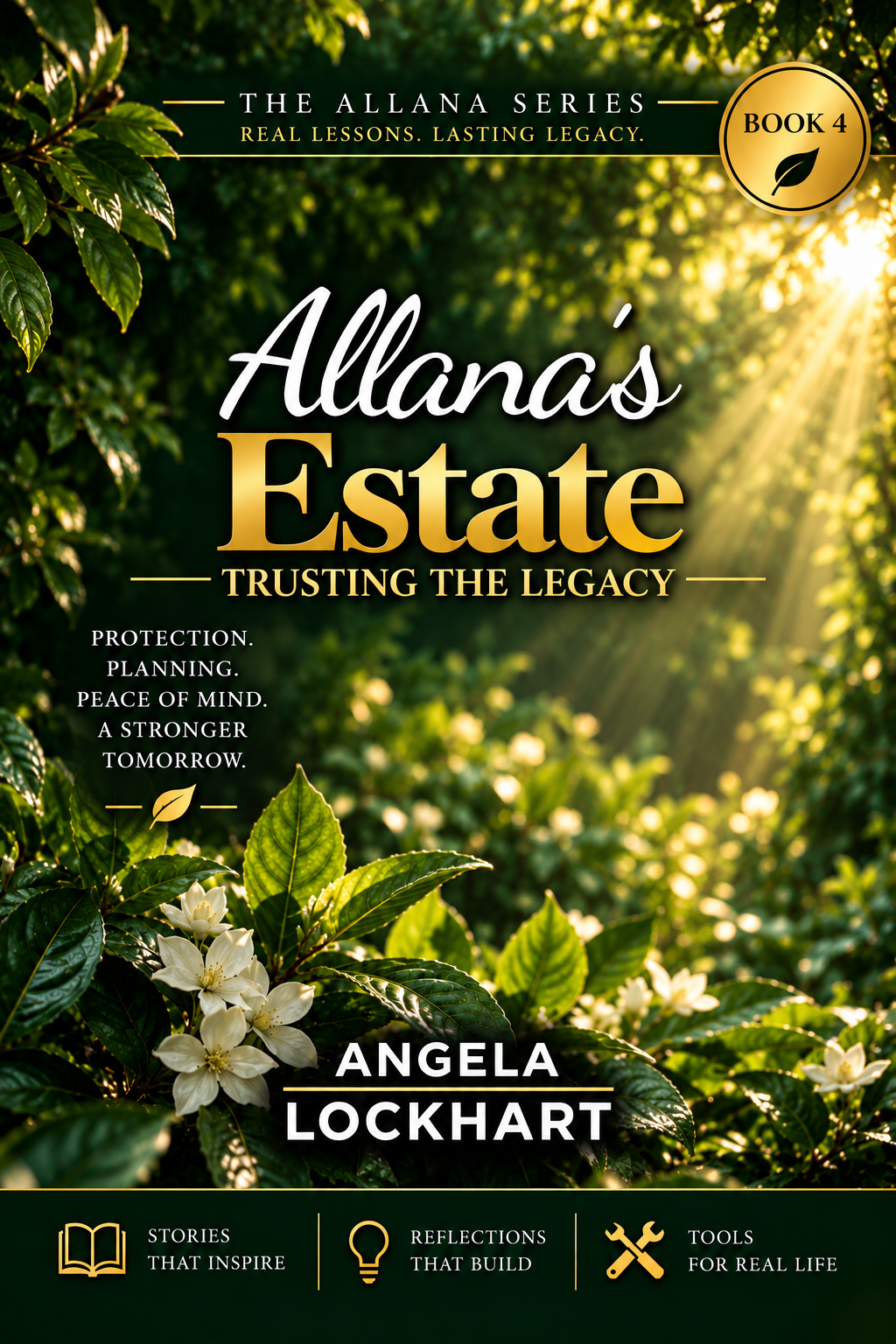
45
Age
Allana's Estate
Trusting the Legacy
Conversation areas
- Preparation
- Protection
- Communication
- Responsibility
- Family clarity
If something unexpected happened tomorrow, what would our family wish we had discussed today?
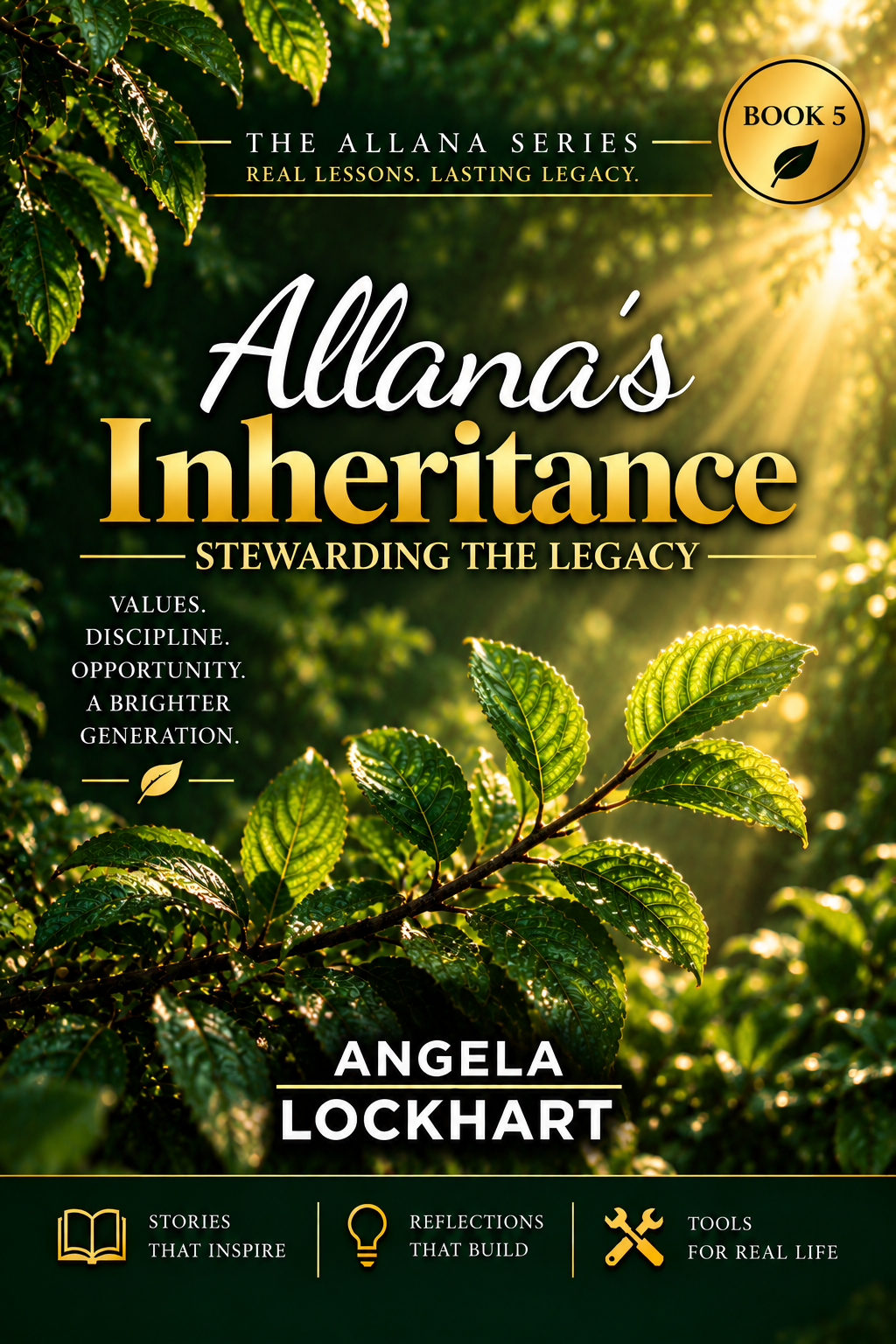
55
Age
Allana's Inheritance
Stewarding the Legacy
Conversation areas
- Inheritance
- Stewardship
- Responsibility
- Preservation
- Transfer
What should someone understand before receiving what another generation worked to build?
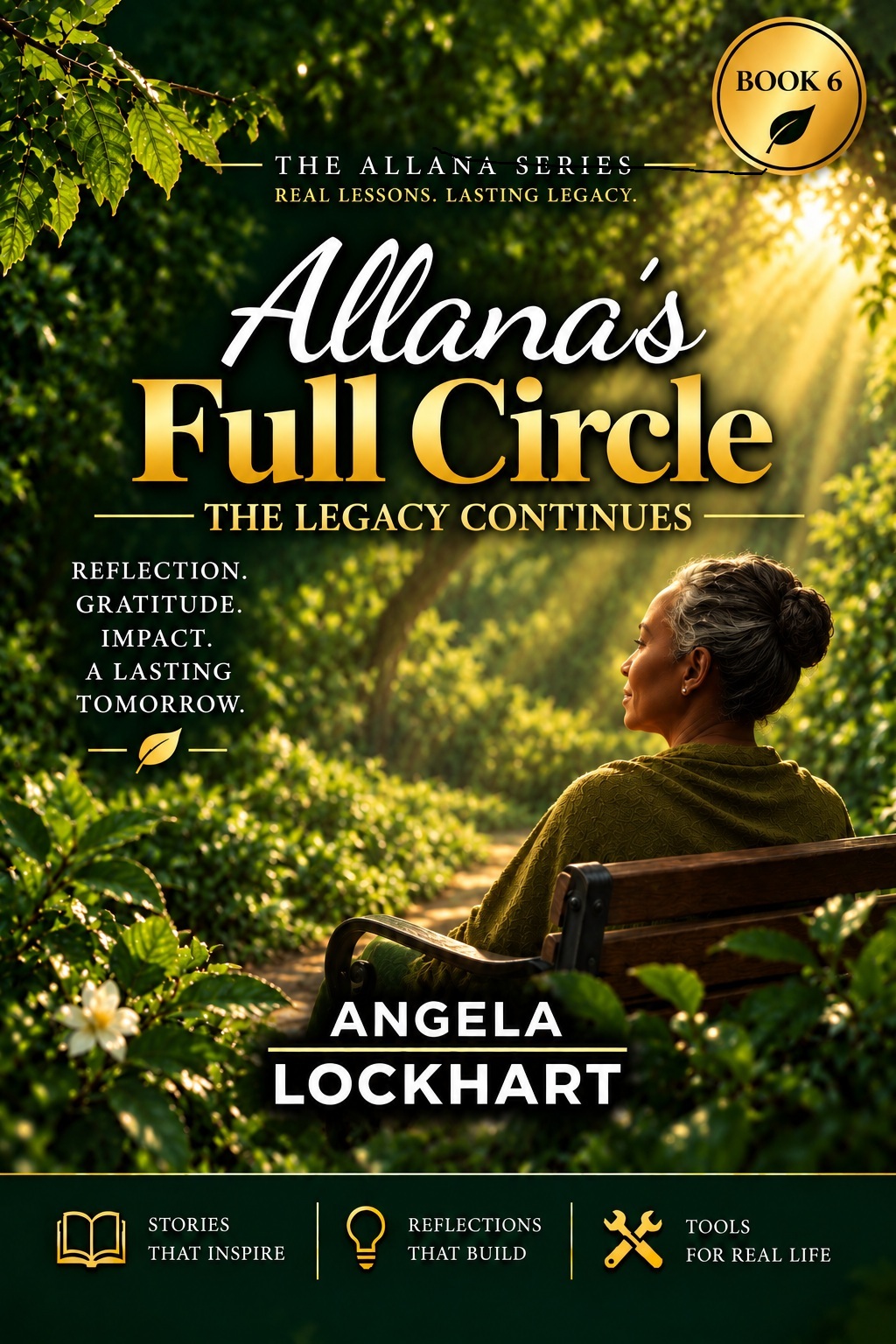
65
Age
Allana's Full Circle
The Legacy Continues
Conversation areas
- Wisdom
- Reflection
- Purpose
- Family stories
- Transfer
- Living your legacy
What have we learned that the next generation shouldn't have to learn the hard way?
Six stages. Six conversations. One family story still being written.
Start One Conversation.
Download The Allana Family Conversation Guide and use it to begin meaningful conversations about money, family, responsibility, preparation, inheritance, purpose, and legacy.
The Allana Family Conversation Guide is an educational resource intended to support family discussion and reflection. It does not provide legal, tax, investment, financial, medical, or other professional advice. Readers should consult appropriately qualified professionals regarding decisions specific to their circumstances.