01
Story before instruction
Readers meet ideas through character and consequence, which leaves room for curiosity before conclusions.
About the author
Angela Lockhart is the author and creator of The Allana Series, a story-based learning journey designed to help families talk about money, responsibility, purpose, and legacy across generations.
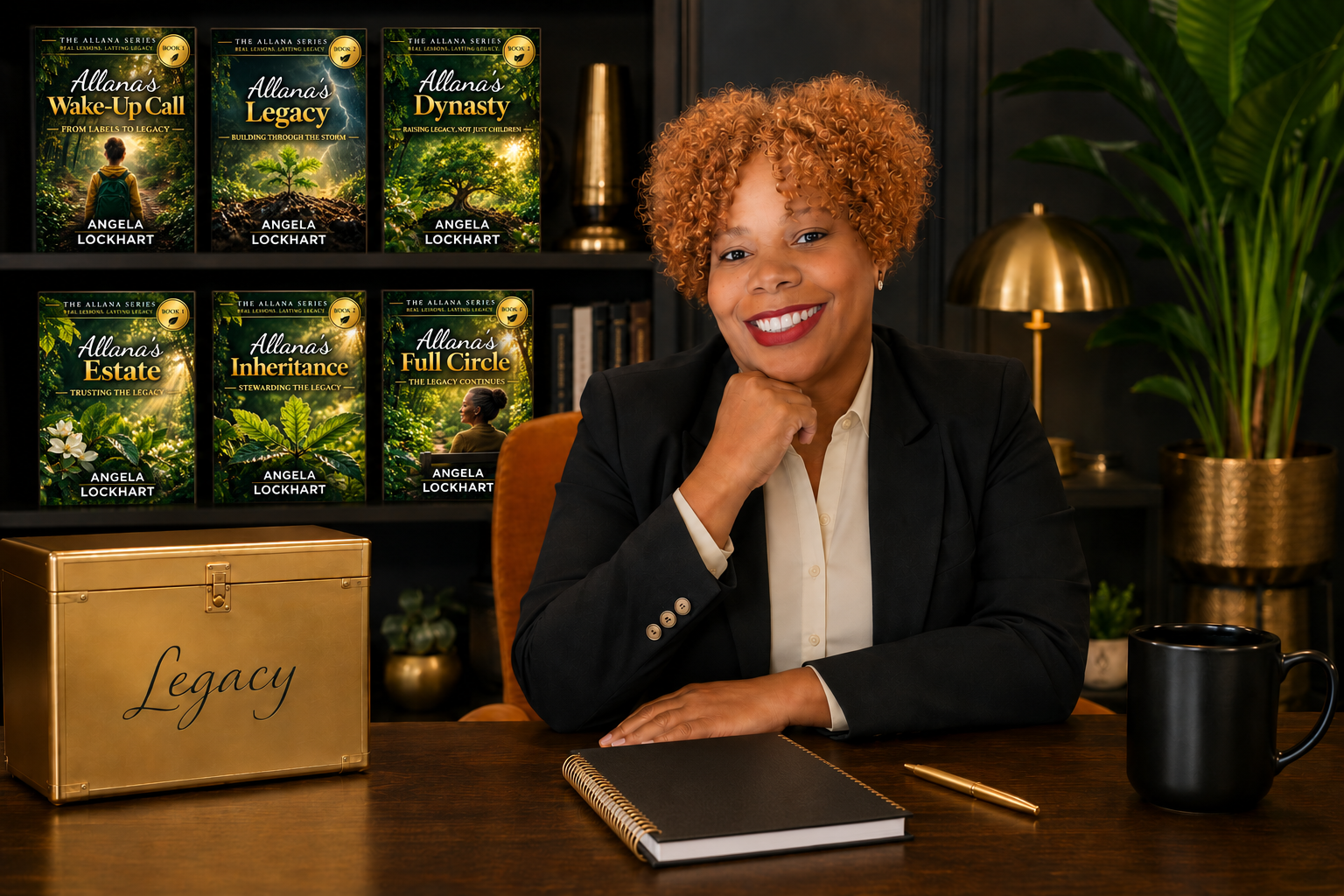
Hello.
My name is Angela Lockhart, and I have over 30 years of experience in financial services, helping families understand wealth, protection, and generational planning.
I am the author and creator of The Allana Series. I write stories that help families talk about money, responsibility, preparation, inheritance, and legacy—and the decisions that shape generations.
My mother’s story
She had life insurance policies, but they were expired term policies that no longer protected our family.
The night before she transitioned, she told me there was a notebook in the drawer with instructions “just in case something happened.”
The notebook disappeared.
That moment changed how I see legacy forever.
Purpose of the series
Others are written because a lesson was too important to keep quiet.
The Allana Series was created to help families begin the conversations early about wealth, responsibility, leadership, and legacy so nothing important is left unsaid.
Legacy is not what you leave behind. It’s what you prepare people for.
You don’t have to be wealthy to begin building a legacy. You have to begin thinking differently.
How the series is written
They are shaped by identity, relationships, pressure, responsibility, hope, and the examples we inherit. That is why Allana’s journey begins with story rather than formulas, and follows one woman from age 15 to 65.
01
Readers meet ideas through character and consequence, which leaves room for curiosity before conclusions.
02
The journey connects decisions made at 15, 25, 35, 45, 55, and 65 rather than treating each moment in isolation.
03
The same story prompts different insight from a teenager, a parent, an educator, and an elder.
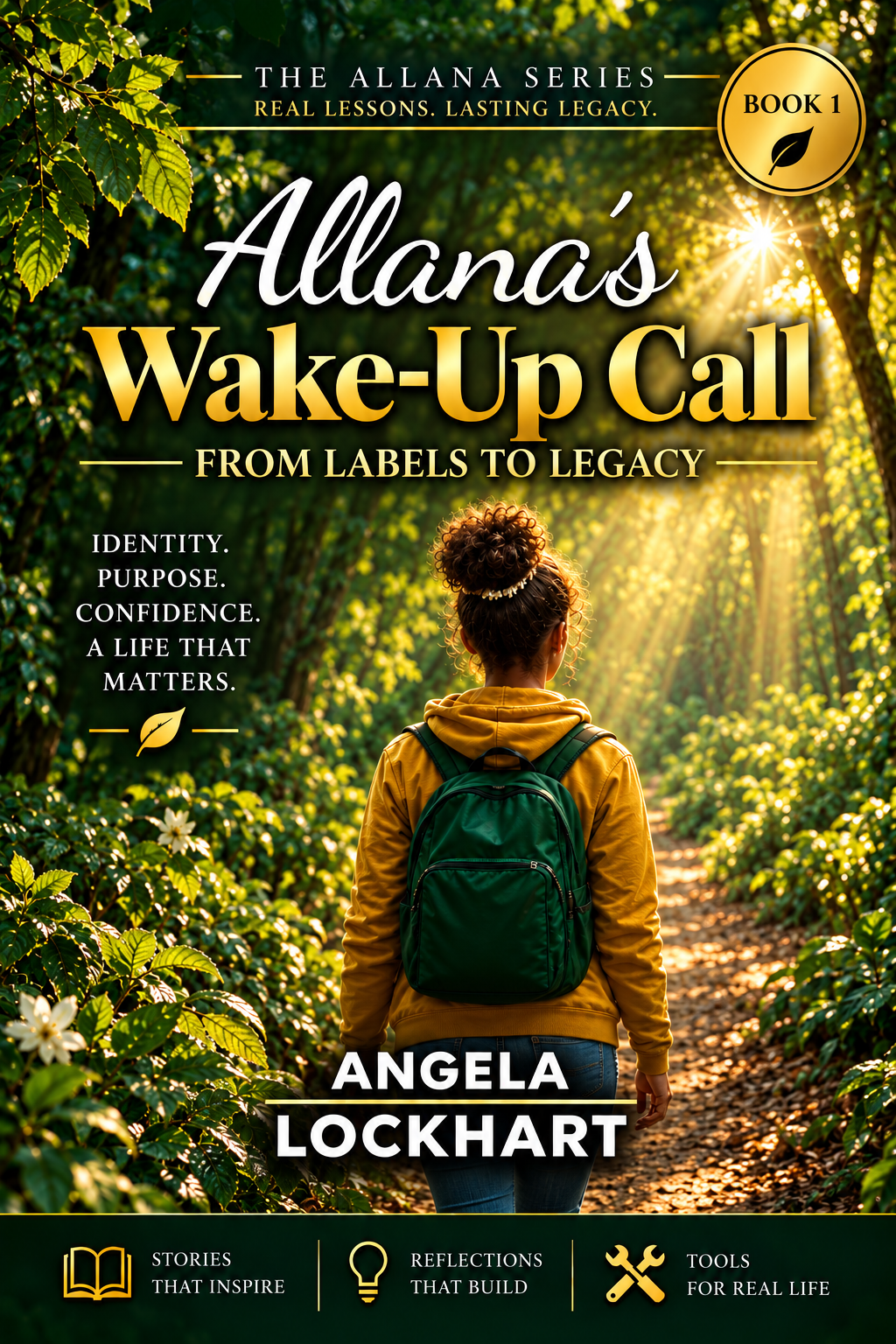
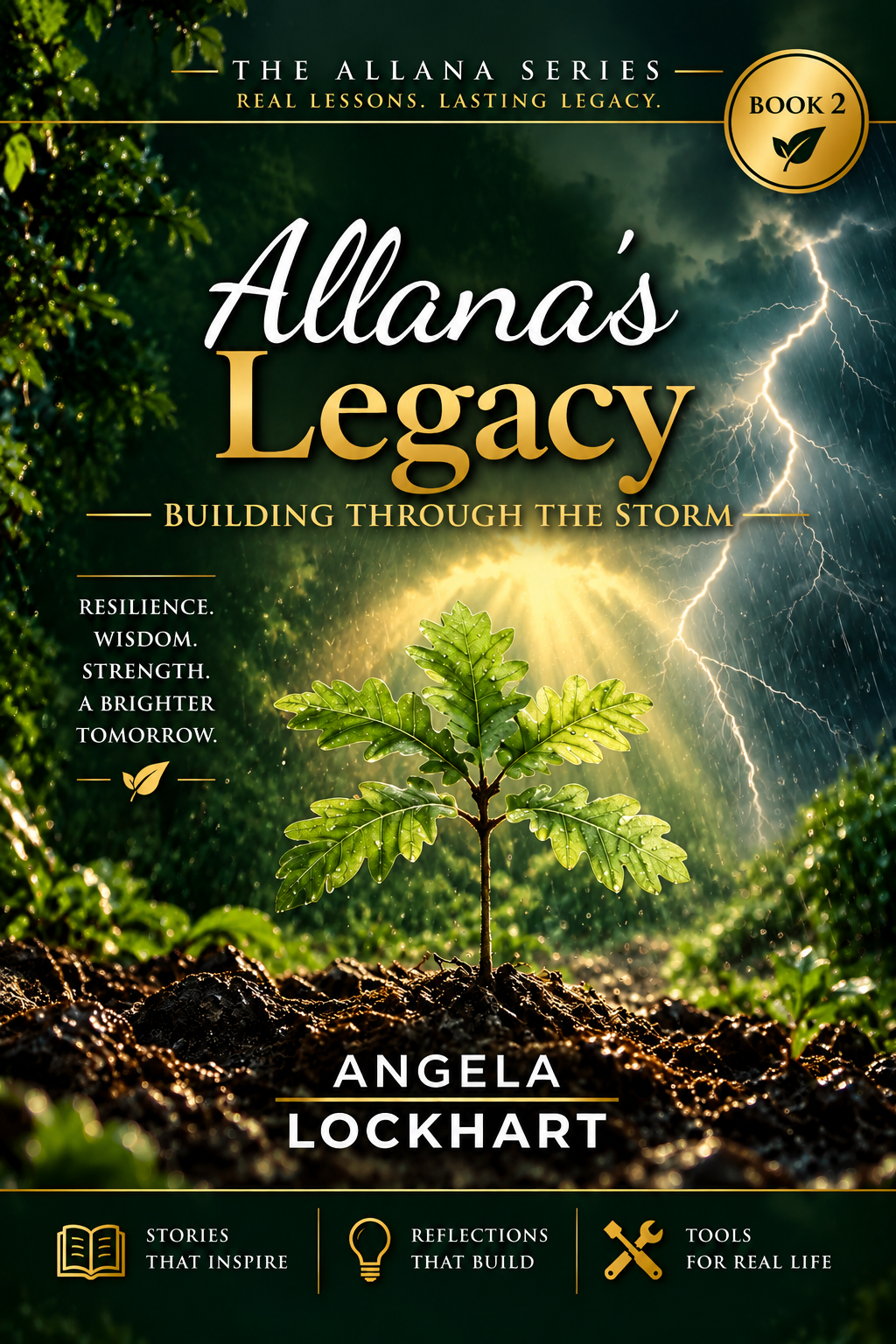
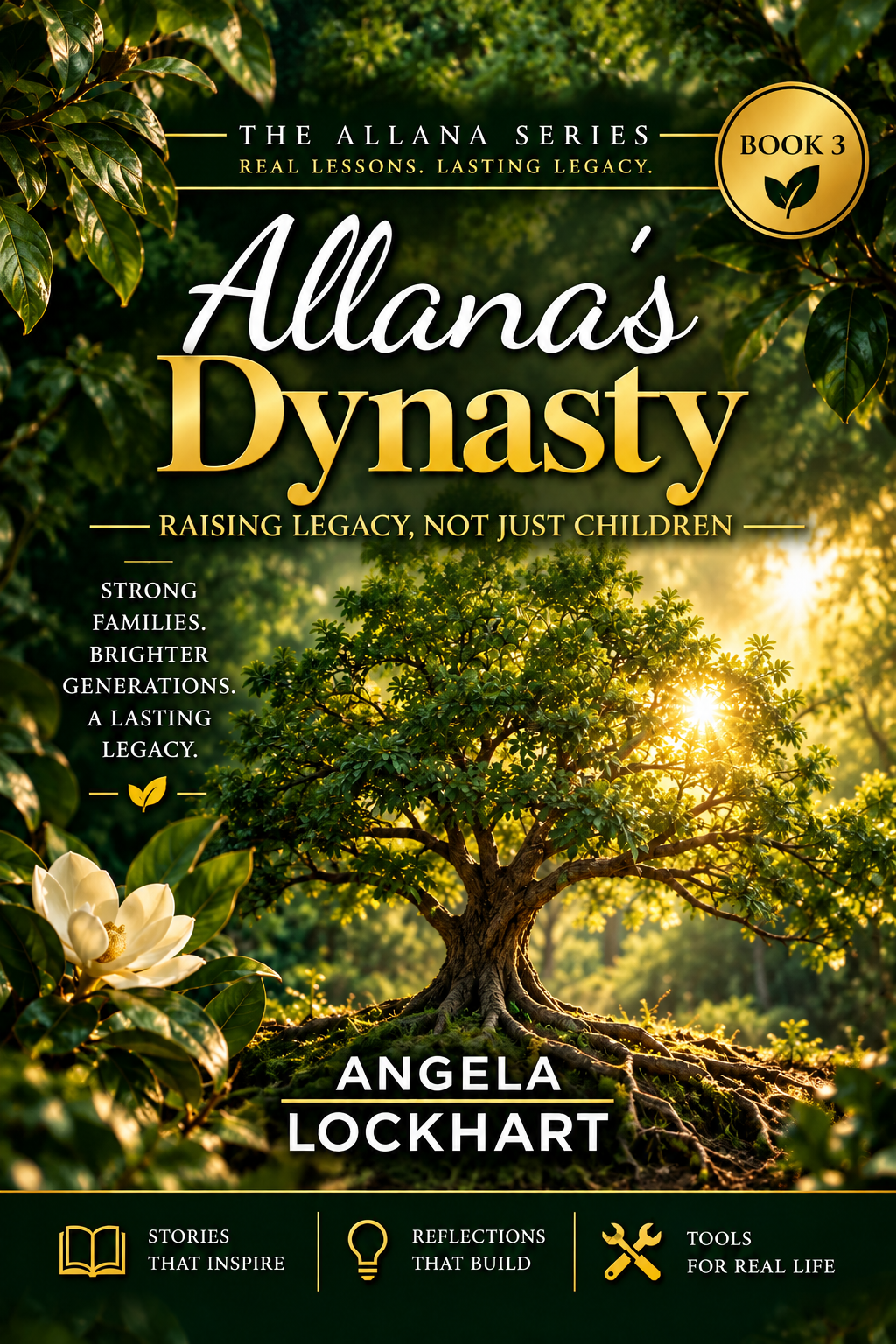
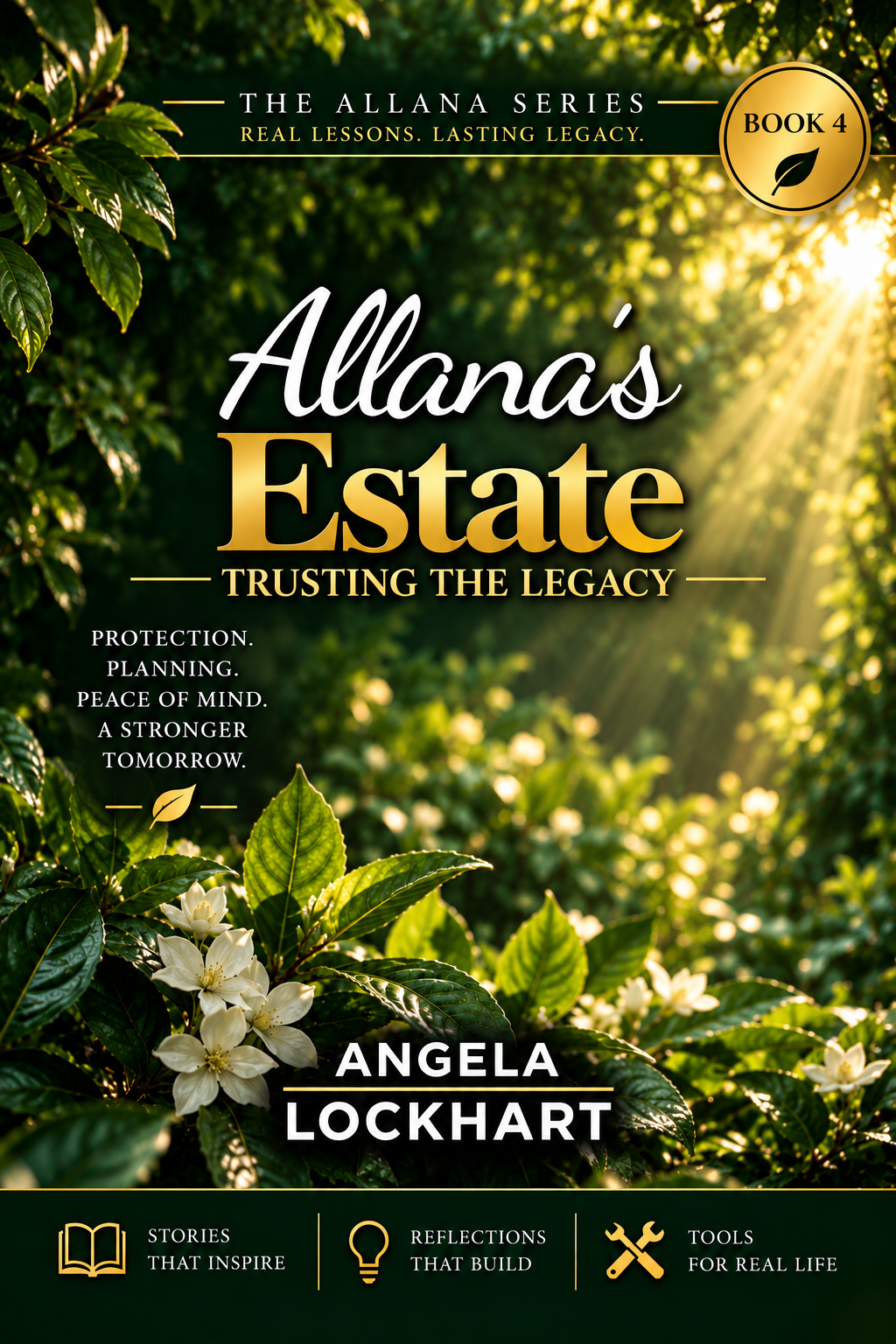
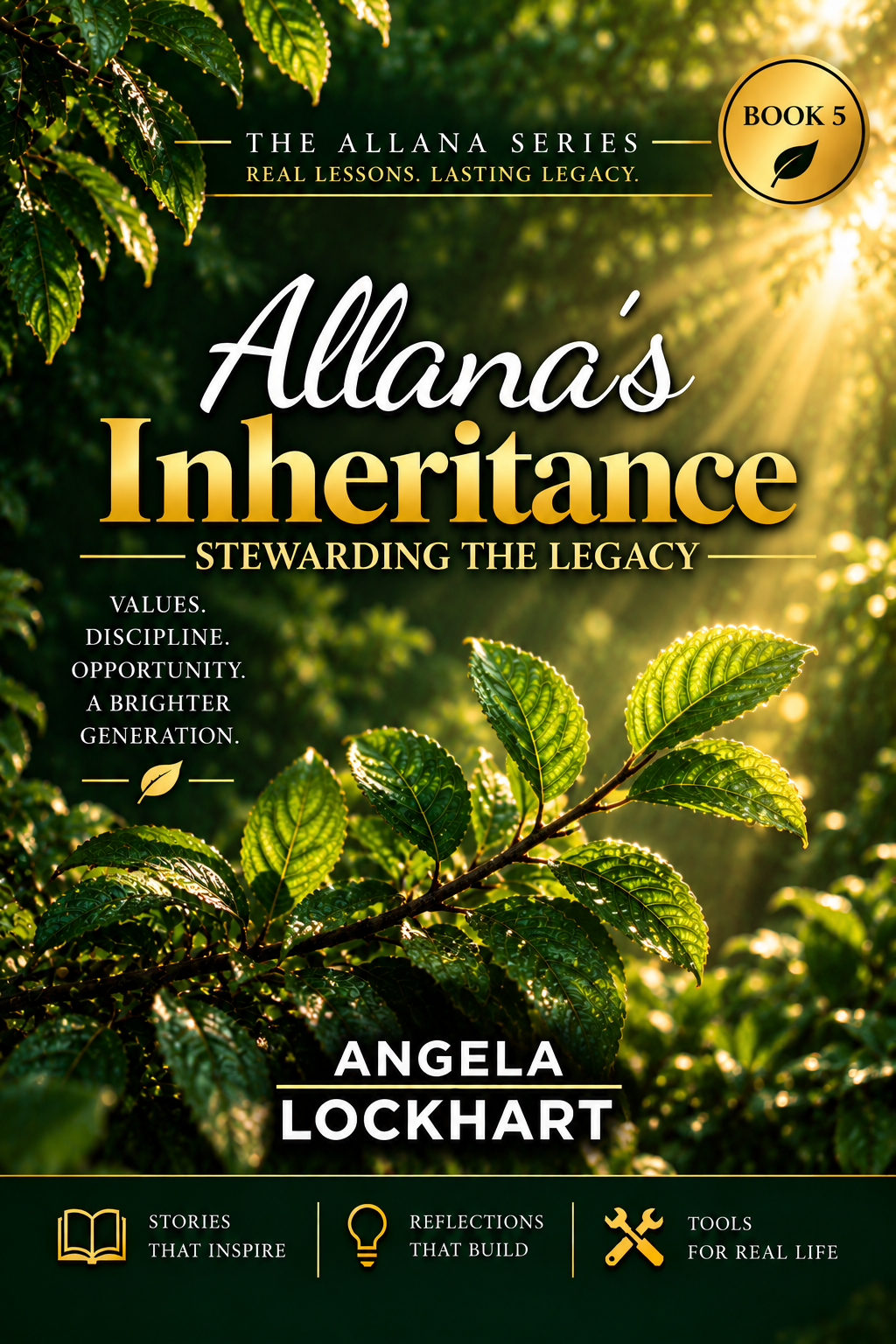
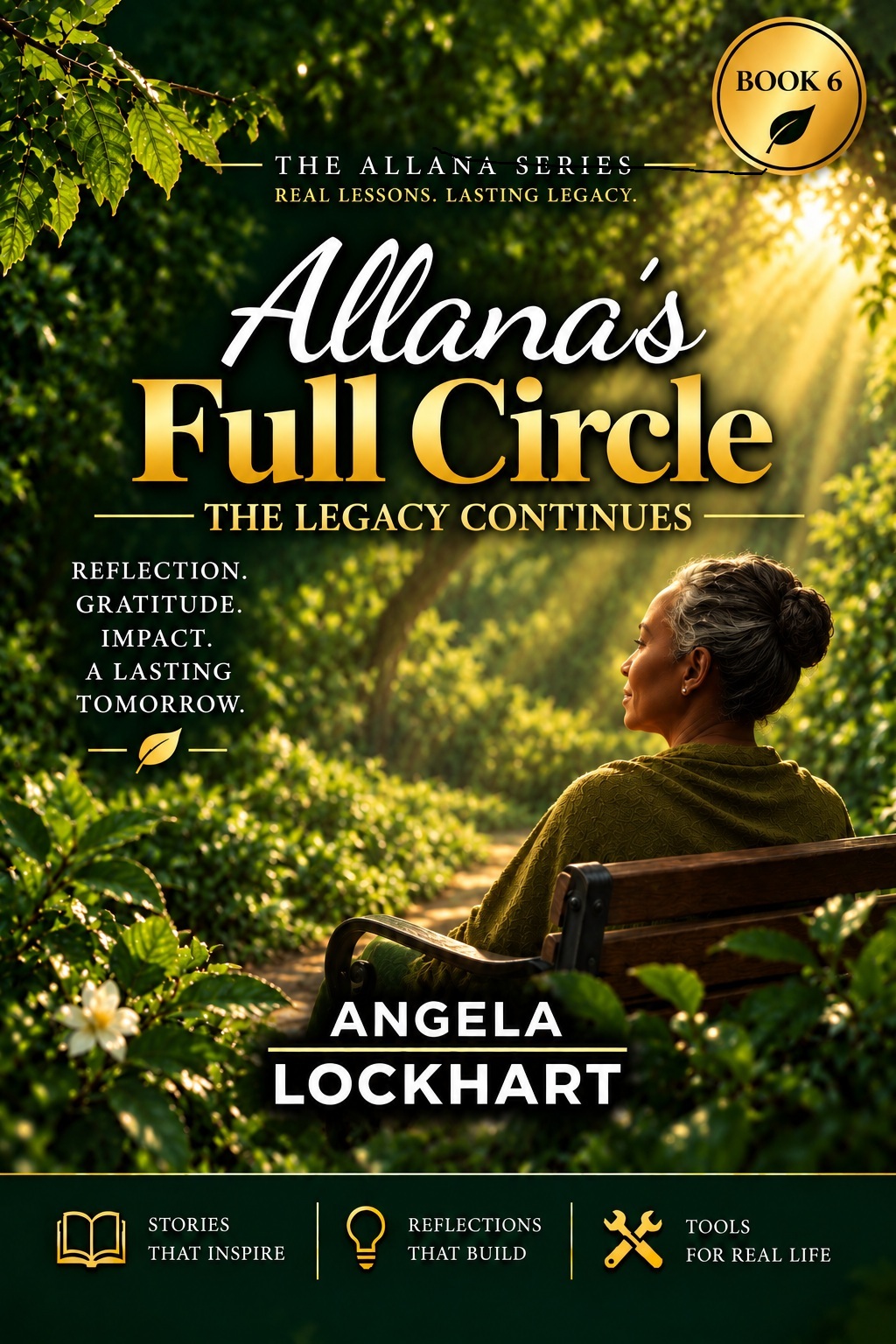
Explore the six stages, bring the conversation into your organization, or start reading.